Nearshoring Is Reshaping Global Supply Chains in 2026
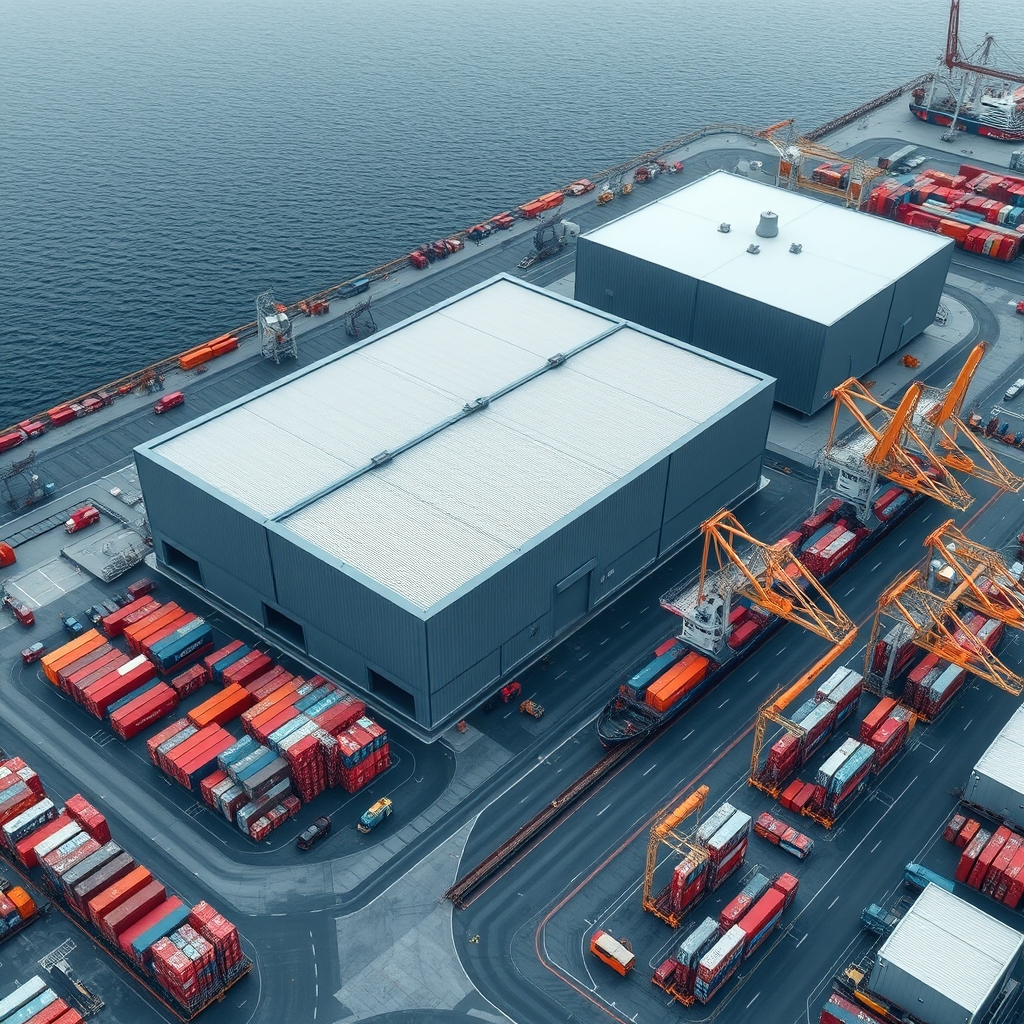
The global supply chain map is being redrawn. After years of pandemic-era disruptions, geopolitical tensions, and rising tariffs, companies are accelerating their shift from distant, low-cost manufacturing to regional production closer to end markets. Nearshoring—and its geopolitical cousin, friendshoring—has moved from boardroom buzzword to operational reality.
In this analysis, we examine where supply chains are moving, why the economics now favor regional production, and what this means for freight flows and logistics planning.
The Forces Driving Regional Production
The shift toward nearshoring is driven by a convergence of structural forces that show no signs of reversing:
Geopolitical Risk Repricing
Companies have fundamentally reassessed the risk of concentrated production in any single region. The U.S.-China trade tensions, Taiwan Strait concerns, and ongoing sanctions regimes have made geopolitical diversification a C-suite priority, not just a supply chain consideration.
Total Cost of Ownership Shift
The traditional calculus of lowest unit manufacturing cost is giving way to a more sophisticated total-cost model that includes:
- Inventory carrying costs — Longer supply chains require larger safety stocks
- Disruption costs — A single week of supply chain failure can wipe out years of labor cost savings
- Carbon pricing — Emissions regulations are adding real costs to long-distance shipping
- Speed-to-market value — Faster delivery from regional hubs commands premium pricing
USMCA and Trade Infrastructure
The USMCA trade agreement has provided a stable framework for North American manufacturing integration. Mexico in particular has seen massive investment in industrial parks, logistics infrastructure, and skilled labor development.
Mexico: The Nearshoring Epicenter
Mexico has emerged as the undisputed winner of the nearshoring trend for North American supply chains. Key indicators tell the story:
- FDI surge — Foreign direct investment in Mexican manufacturing reached record levels in 2025, with over $40 billion committed
- Industrial real estate boom — Vacancy rates in key manufacturing corridors (Monterrey, Guadalajara, Bajío) hit all-time lows
- Cross-border freight growth — U.S.-Mexico truck crossings have increased 18% since 2023
- Workforce development — Over 200,000 new manufacturing positions created in 2025 alone
Key Statistic
Mexico surpassed China as the United States' largest trading partner in 2023 and has continued to widen the gap. Cross-border freight volumes between the U.S. and Mexico are projected to grow 8-12% annually through 2030.
Beyond Mexico: Other Nearshoring Hotspots
Southeast Asia (China+1)
Vietnam, Thailand, and Indonesia continue to absorb manufacturing capacity moving out of China. While not "nearshoring" in the strict geographic sense for Western markets, these locations serve as regional production hubs for Asia-Pacific distribution.
Eastern Europe
Poland, Czech Republic, and Romania are expanding as nearshore manufacturing hubs for European markets, offering a combination of skilled labor, EU market access, and improved logistics connectivity.
Morocco and Tunisia
North Africa is emerging as a nearshore option for European companies seeking alternatives to distant Asian production, particularly in automotive components, textiles, and electronics assembly.
Freight Flow Implications
The nearshoring shift is fundamentally changing global freight patterns in ways that affect every logistics stakeholder:
Ocean Freight
Trans-Pacific container volumes from China to the U.S. West Coast are plateauing, while intra-regional routes—particularly Gulf of Mexico and Caribbean services—are seeing capacity additions. Shipping lines are redeploying vessels accordingly.
Cross-Border Trucking
The U.S.-Mexico border is experiencing unprecedented freight volumes. Key crossings like Laredo, El Paso, and Nogales are investing heavily in infrastructure to handle growing truck traffic, with new customs technology to reduce border wait times.
Intermodal Rail
Rail services connecting Mexican manufacturing hubs to U.S. distribution centers are expanding. New intermodal terminals and dedicated freight corridors are being developed to serve the growing north-south freight demand.
Air Freight
Regional air cargo is growing as nearshored operations demand faster delivery of components and finished goods. Secondary airports near manufacturing clusters are adding cargo capacity and direct routes.
Challenges and Growing Pains
The nearshoring transition isn't without its challenges:
- Infrastructure gaps — Roads, ports, and power grids in new manufacturing regions need significant investment
- Labor shortages — Rapid industrial growth is creating competition for skilled workers
- Supply chain maturity — Tier 2 and 3 supplier networks take years to develop in new locations
- Water and energy — Manufacturing expansion strains local utilities, particularly in water-scarce regions of northern Mexico
What Logistics Providers Should Prepare For
- Build cross-border expertise — Customs brokerage, compliance, and bi-national logistics knowledge become critical differentiators
- Invest in regional networks — Warehouse and distribution capacity near nearshoring hubs will be in high demand
- Develop multimodal capabilities — The most competitive supply chains will combine truck, rail, and short-sea shipping in flexible configurations
- Leverage data for visibility — Shippers need end-to-end visibility across shorter but more complex regional supply chains
- Monitor policy changes — Trade agreements, tariff adjustments, and incentive programs continue to evolve
Nearshoring represents one of the most significant structural shifts in global logistics in decades. The companies and logistics providers that adapt their networks, capabilities, and technology to this new reality will capture disproportionate value in the years ahead.
Monitor Cross-Border Freight Trends
Track nearshoring-driven freight flow changes with real-time data from FreightPulse.
Start Free — 100 calls/mo →