Weather Disruptions and Freight: Planning for Climate Volatility
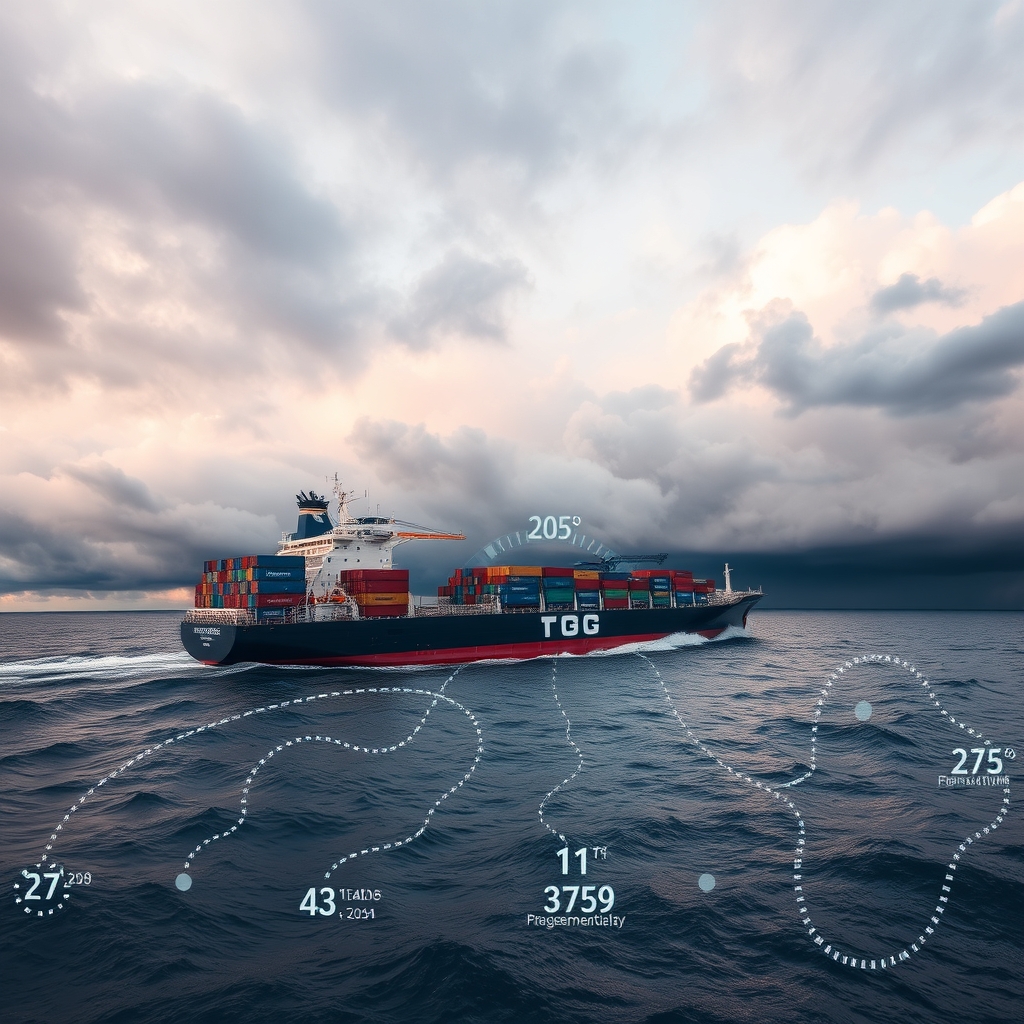
Weather-related supply chain disruptions cost the global economy an estimated $80 billion annually—and that figure is rising. From hurricanes shuttering Gulf Coast ports to winter storms grounding flights across Europe, climate volatility is becoming a defining challenge for logistics operations.
In this guide, we explore how to build weather resilience into your freight operations through better monitoring, planning, and response capabilities.
The Growing Impact of Weather Events
Climate data shows clear trends affecting logistics:
- More intense storms: Category 4-5 hurricanes have become 25% more frequent over the past 40 years
- Longer wildfire seasons: Air quality events increasingly disrupt trucking and warehouse operations
- Extreme heat: Rising temperatures force operational changes and damage temperature-sensitive cargo
- Flooding: Both coastal and inland flood events are more frequent and severe
- Winter storms: Polar vortex disruptions bring extreme cold to regions unprepared for it
These events don't just cause immediate disruptions—they create cascading effects that ripple through supply chains for weeks.
Proactive Weather Monitoring
The first line of defense is knowing what's coming. Modern weather intelligence goes far beyond checking the forecast:
Extended Forecasting
Ensemble models now provide meaningful probability forecasts 10-14 days out. While accuracy decreases with time, early signals enable proactive planning—positioning inventory, adjusting shipping windows, and alerting customers.
Impact-Based Alerts
Rather than generic weather warnings, impact-based systems translate meteorological data into operational implications: which ports will close, which roads will be impassable, which airports will have ground stops.
Real-Time Monitoring
During active events, real-time data from weather stations, radar, and satellites enables dynamic response. APIs integrate this data directly into TMS and visibility platforms.
Best Practice
Leading logistics companies establish weather thresholds that automatically trigger response protocols. For example: wind speeds above 40 mph → suspend port operations; snow accumulation forecast above 6 inches → activate contingency carriers.
Network Resilience Strategies
Building a weather-resilient supply chain requires structural decisions about network design:
Geographic Diversification
Concentrating operations in a single region creates weather vulnerability. Multi-port strategies, distributed warehousing, and backup supplier relationships reduce single-point-of-failure risk.
Modal Flexibility
When one mode is disrupted, can you shift to another? Air freight can bypass port closures; rail may continue when highways are impassable. Building relationships with carriers across modes enables rapid pivots.
Inventory Positioning
Strategic inventory buffers in multiple locations provide cushion during disruptions. The cost of carrying extra stock must be weighed against the cost of stockouts during weather events.
Hurricane Season Planning
For companies with Gulf Coast, Caribbean, or Southeast US exposure, hurricane season (June-November) requires specific preparation:
Pre-Season Checklist
- Review insurance coverage and deductibles
- Update emergency contact lists for all facilities and carriers
- Test backup communication systems
- Pre-position emergency supplies and equipment
- Establish relationships with recovery contractors
- Create customer communication templates
When a Storm Approaches
- 5-7 days out: Monitor forecasts; begin scenario planning
- 3-5 days out: Expedite inbound shipments; notify customers of potential delays
- 48-72 hours: Execute protective actions; divert cargo; secure facilities
- During event: Monitor and communicate; prepare recovery plans
- Post-event: Assess damage; execute recovery; update stakeholders
Winter Operations
Cold weather presents different challenges requiring different strategies:
Driver Safety
Hours-of-service regulations don't change for weather, but safety must come first. Establish clear policies for when drivers should stop, where they can safely wait out storms, and how delays affect scheduling.
Equipment Preparation
Fuel gelling, frozen brakes, and battery failures plague unprepared fleets. Pre-winter maintenance, appropriate fuel additives, and auxiliary power units reduce breakdown risk.
Customer Expectations
Proactive communication about potential winter delays builds trust. When customers understand the situation, they can adjust their own planning rather than being surprised by late deliveries.
Technology for Weather Resilience
Several technology capabilities enhance weather response:
- Visibility platforms: Real-time tracking shows where shipments are relative to weather events
- Predictive ETA: AI models adjust arrival estimates based on weather conditions
- Automated alerts: System-generated notifications when weather threatens shipments
- Scenario planning: Tools to model alternative routings and their impacts
- Communication automation: Mass notification of customers and partners
Insurance and Risk Transfer
Beyond operational resilience, financial protection matters:
Cargo Insurance
Standard policies may exclude certain weather events or have sub-limits. Review coverage annually with a broker who understands logistics risks.
Business Interruption
Coverage for lost revenue during weather disruptions can be critical for facilities in vulnerable areas.
Contingent Business Interruption
CBI covers losses when your suppliers or customers—not your own facilities—are disrupted. This is increasingly important as supply chains become more interconnected.
Building a Weather-Resilient Culture
Technology and planning only work if people execute:
- Train regularly: Conduct tabletop exercises for weather scenarios
- Empower decisions: Give local managers authority to act without escalation
- Learn continuously: After-action reviews following every significant event
- Invest in relationships: Strong carrier partnerships enable priority treatment during disruptions
Monitor Supply Chain Disruptions
Get real-time alerts on weather events, port closures, and other disruptions via our API.
Start Free — 100 calls/mo →